Introduction
Have you ever gotten irritated and annoyed when you see your inbox crammed to the brim with useless and unwanted emails that you have no intention of opening? If your answer is yes, then you are about to join the endless list of frustrated people who, like you, have been trying unsuccessfully to clean up their email folders and inboxes, but to no avail.
Emails are an essential part of our lives, from personal communication to professional correspondence. But what if we told you that there are best practices that can swiftly remove all the unwanted clutter from your inbox? These practices are not just effective; they’re also confidence-boosting.
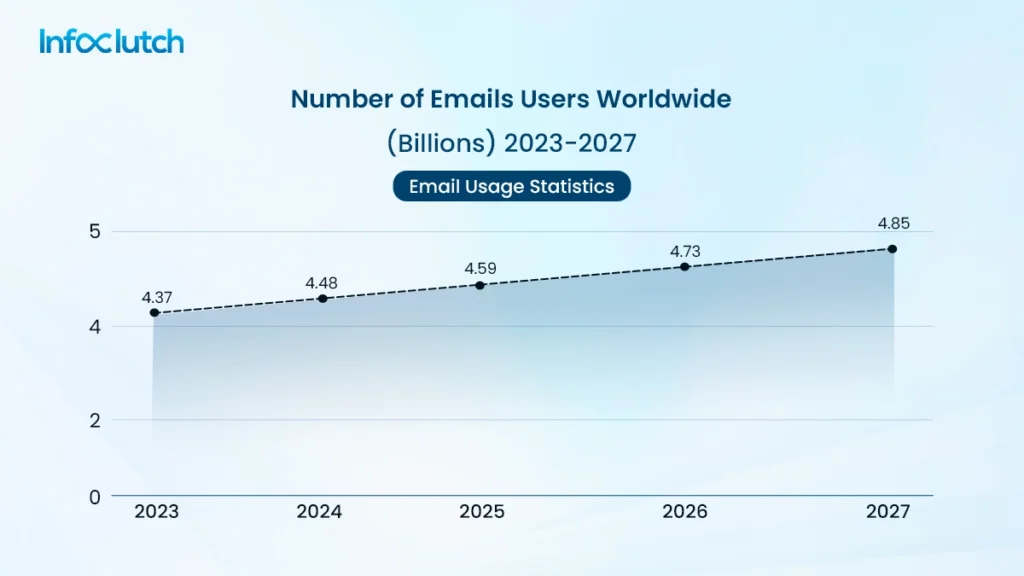
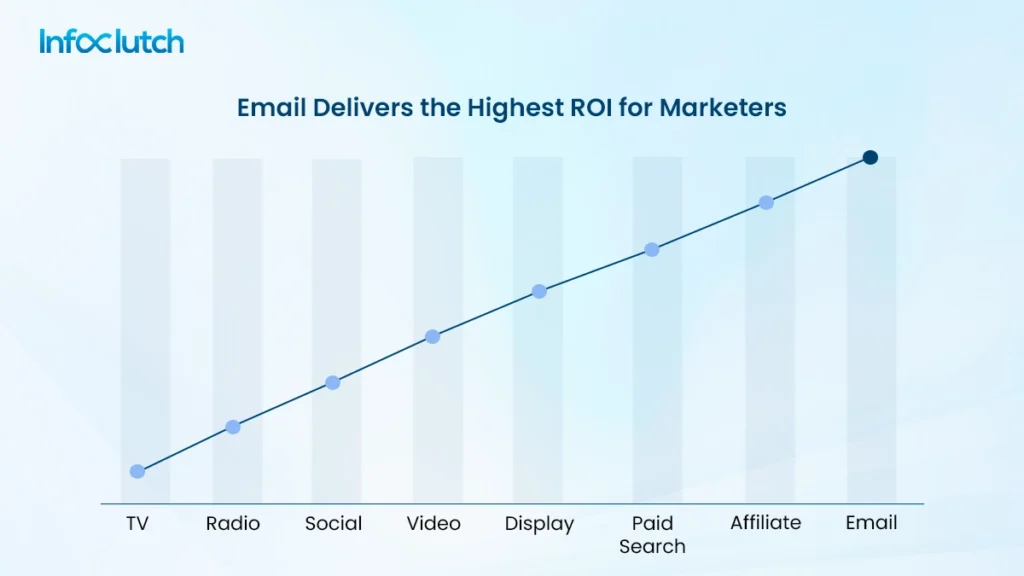
To get better engagement and build a continuous rapport with your customers, businesses today, need to clean up their email list for better ROI. Reports state that there are well over 4.3 billion email users in the world today and by the end of 2026, it is projected to reach more than 4.7 billion.
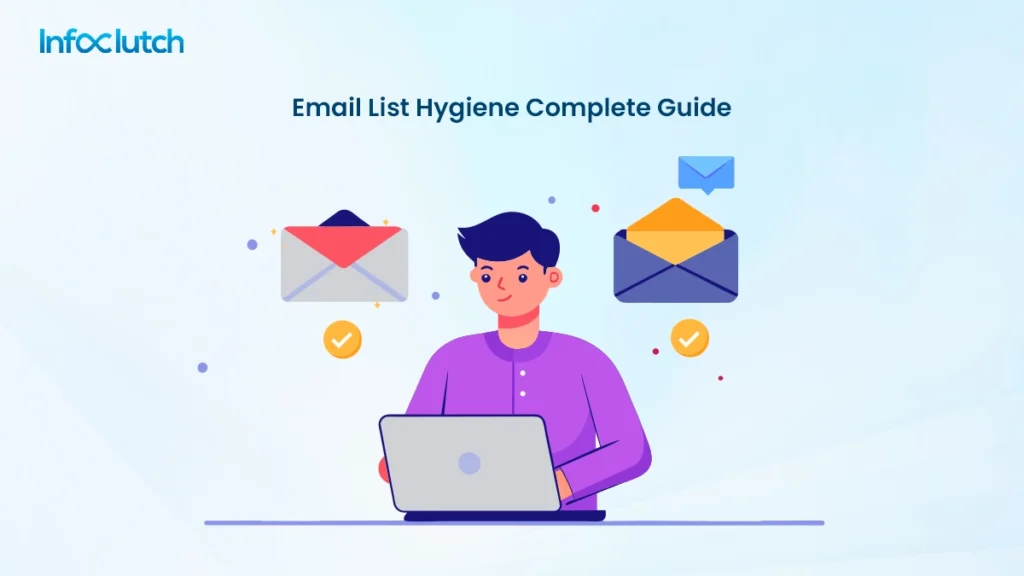
This blog is your guide to understanding and implementing healthy email list hygiene best practices. To ensure that your list hygiene is perfect and to get a thorough cleansing of your email list, you can click here. By learning about these methods, you’ll be in control of your subscriber base and your email marketing strategy.
What is Email List Hygiene?
Importance of Maintaining a Clean Email List
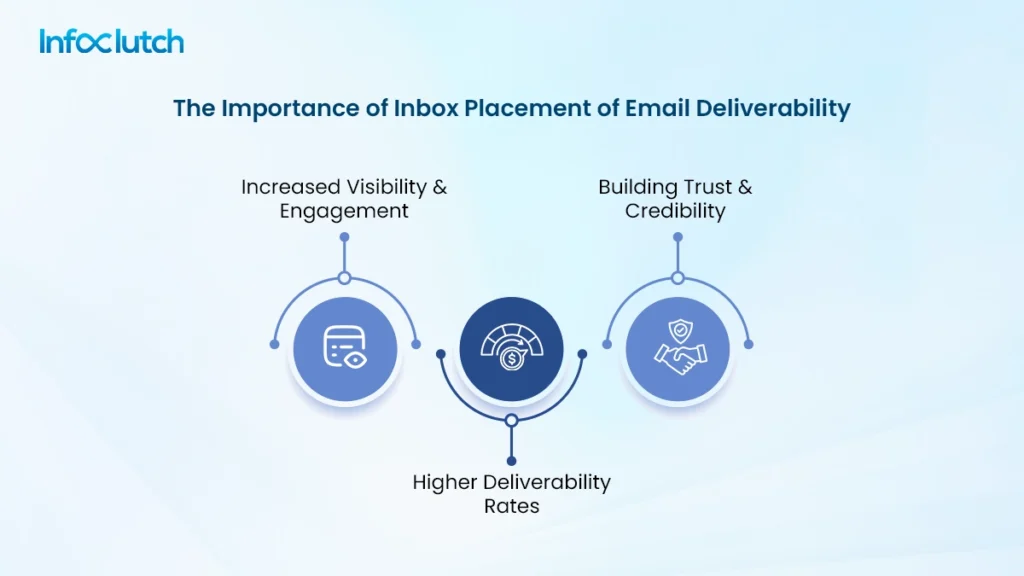
Improved Deliverability
One of the main reasons for maintaining a clean email list is that it helps improve deliverability rates for your business. With your extensive subscriber list, you send emails to all of them, thinking that every single customer is going to read your catchy headlines and tags and click on your website for conversions. But what you get is just the opposite!
Your business can thrive only if you have a loyal customer base, and to garner their attention, you need to check all the boxes in sending them important snippets about your company, offers exclusively tailor-made for them, and literally shower them with a lot of attention. The prospect of losing your customers will definitely take a huge toll on your business.
If most of your emails get sent to a large group of inactive customers, it can negatively impact your sender’s reputation. As a result, you will get caught in a web of spam, flagged by your Email Service Providers (ESP), if your emails are being sent continuously to unwanted or invalid emails.
Reduce your Bounce Ratesplatforms
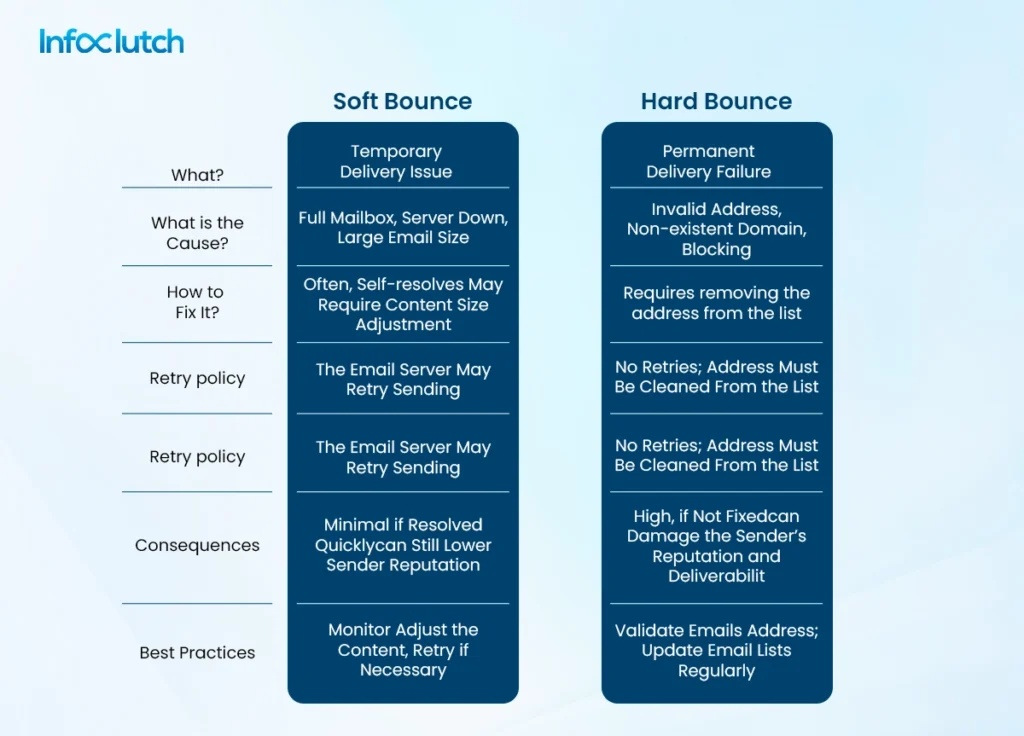
a) The soft bounce rate
b) The hard bounce rate
Higher Engagement Metrics
a) Increased Open Rates
b) Higher Click-through Rates
c) Lower Unsubscribe Rates
Increased ROI on Email Marketing Efforts
a) Cost Efficiency
b) Improved Targeting
A clean list allows for more accurate segmentation and personalization, leading to more effective subscribers
c) Higher Conversion Rates
Customers who are engaged are likely to accept your offerings, eventually leading to high conversions.
Focusing on an audience that solely consists of interested people helps maximize your ROI if you have any email marketing campaigns up and about.
How to Identify Which Lists Need Cleaning?
a) Spam
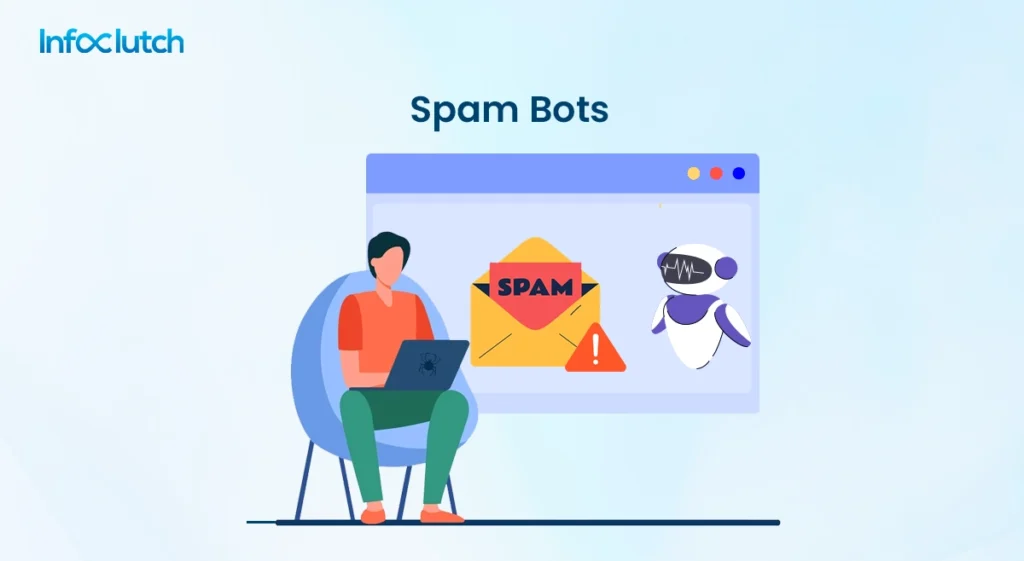
Any mail that you have not subscribed to or any mail that you find automated and fake ends up as spam. High complaint rates and a surge in subscribed complaint email addresses usually distinguish these emails. For someone who uses emails regularly for personal as well as professional correspondence, you can easily identify which emails are genuine and which are fake.
For example, emails ending with info@, admin@, etc., are to be monitored with extreme caution as they can be high indicators of spam. Apart from this, if your inbox experiences a high influx of emails with unknown addresses, then it’s a sure sign of spam bots.
b) Lists with low engagement rates
As a business owner, if your emails are returning unopened, have low click-through rates, or have a lack of interest in opening and reading emails from your subscribers, you can be assured that you have a low engagement factor. An extended period of low engagement means that your list needs a thorough cleansing.
To identify low engagement rates, you must first set a clear benchmark comprising of open acceptance and click-through rates and segregate your subscribers to their last date of interacting with you (your mails). You can also analyze the trends of declining interest in customers by spotting a consistent drop in these trends/metrics. If you find any anomalies, then it is high time you cleaned your list.
c) Old Lists
Is there a way to identify old lists? Yes, there is! Old lists mostly consist of outdated or expired information about someone or something that you have been sending/receiving emails from. An easy method of characterizing old lists is to segment the subscribers from whom you haven’t engaged, say from 6-12 months. Sending emails to these subscribers is unnecessary and a waste of time and money.
Another method is, if you have been continually receiving hard bounces for over a year, this can indicate that your list has aged and is in need of a nice cleaning. In other cases, your subscribers may have moved on, changed their email addresses, or may have lost interest in your offerings. If your content seems irrelevant to a significant portion of your list, it may be because the list has become outdated.
d) Lists with high bounce rates
e) Lists that are underperforming
f) When your forms are not protected
g) When you rebrand your business
When you rebrand your business, be prepared to lose a few subscribers as well. For a brand that has been continually operating under the same name/logo, your subscribers would have gotten used to your offerings and branding.
If you rebrand your email list, your subscribers might not recognize your brand or find it suitable to their interests. Before you proceed to rebrand your email list/offerings/brand, get feedback from your existing subscribers to gauge their reaction if you opt for rebranding.
How Often Should You Clean Your Email Lists?
a) Quarterly (every 3 months)
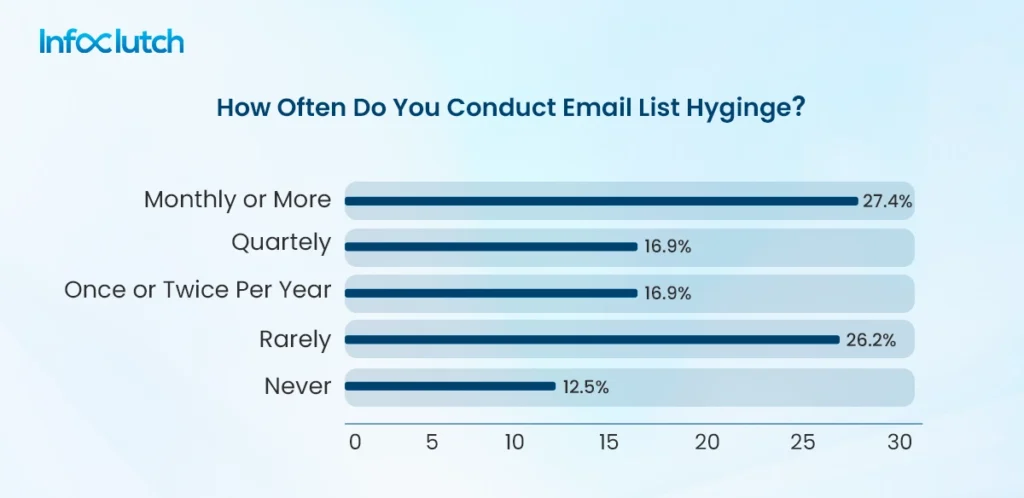
b) Half-yearly (every six months)
c) Annually (Yearly)
Factors Influencing the Cleaning Frequency
a) List Size
b) List Growth Rate
c) Sending frequency
d) Industry and Audience
e) Ongoing maintenance
Email List Hygiene: Best Practices to Follow
Implement double opt-in
Improved List Frequency
Higher Engagement Rates
Protection against Spam
Remove inactive subscribers
Time-frame
Engagement Metrics
Remove inactive subscribers
Email Frequency
Steps to identify and remove inactive subscribers
Follow these steps to effectively manage inactive subscribers and maintain a high-quality email list:
- Start by segmenting your list using your email marketing platform. This allows you to isolate subscribers who meet your inactivity criteria.
- Next, analyze the segment for patterns or insights that could inform your re-engagement strategy.
- Plan a re-engagement campaign to reach out before removal. This gives inactive subscribers a chance to reconnect.
- After the campaign, proceed to remove non-responders. Unsubscribe them or move them to a suppression list based on your policies.
- Lastly, ensure you document the process for compliance and future reference.
Manage Bounce Rates
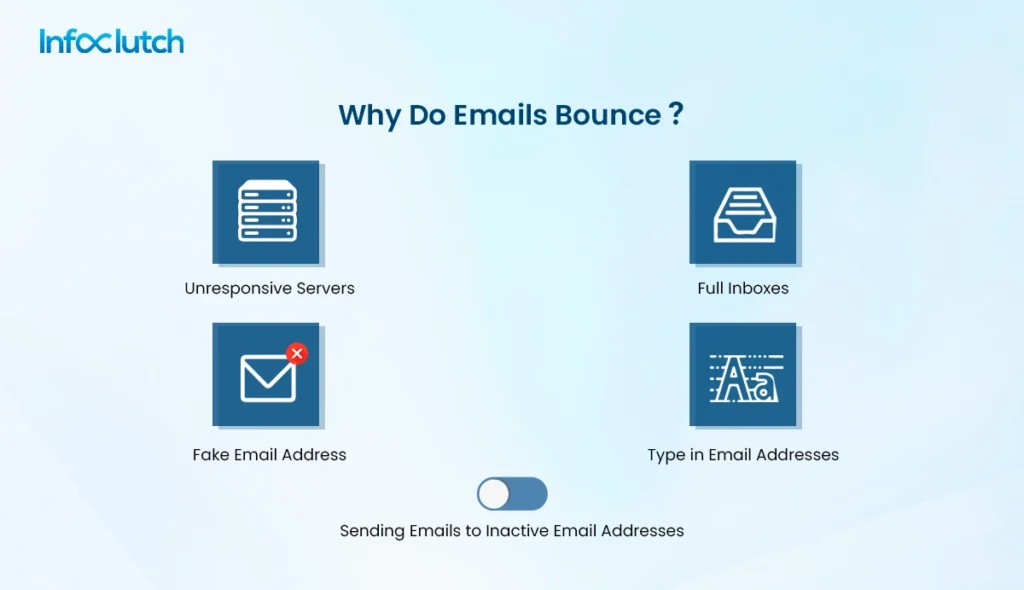
Managing bounce rates is crucial for maintaining a healthy email marketing campaign and optimizing website performance. There are two main types of bounces: hard bounces and soft bounces-
Hard bounces occur when an email is permanently undeliverable due to invalid or non-existent email addresses. Remove them immediately to maintain and protect your sender’s reputation.
Soft bounces are temporary delivery failures, often caused by full inboxes or server issues. If soft bounces recur often, then they should be converted into hard bounces.
Use Email Verification Tools
Improved Deliverability
Enhanced Engagement
Cost Efficiency
How to Integrate Email Verification into your Process?
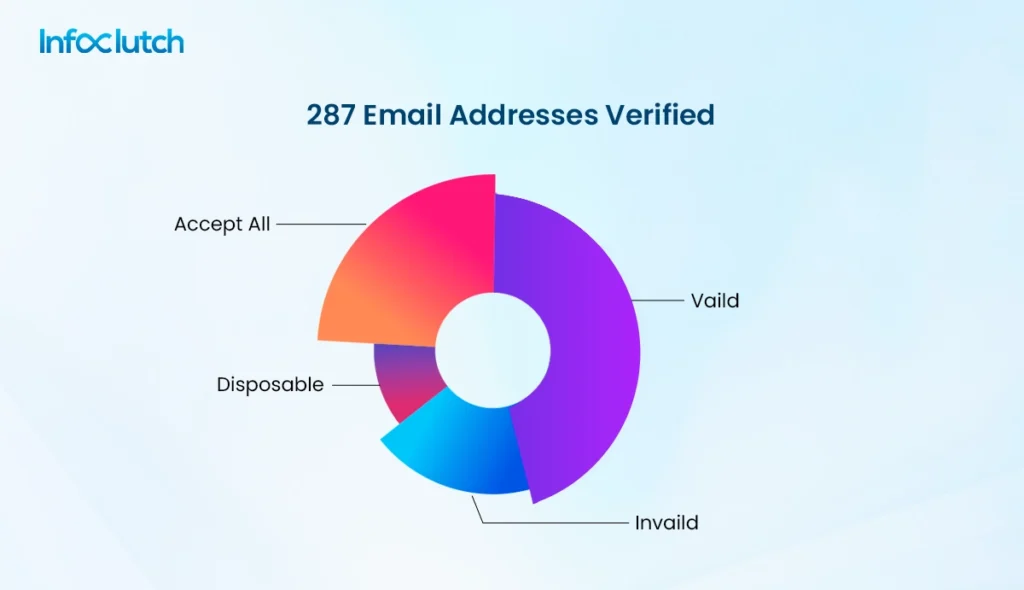
Think of all those unnecessary costs that you would incur if you send emails to unwanted and invalid recipients! You can cut down costs if you use email verification tools. These tools help you identify the email addresses of genuine subscribers, and you can send mail to them based on your campaigns.
Segment your email list
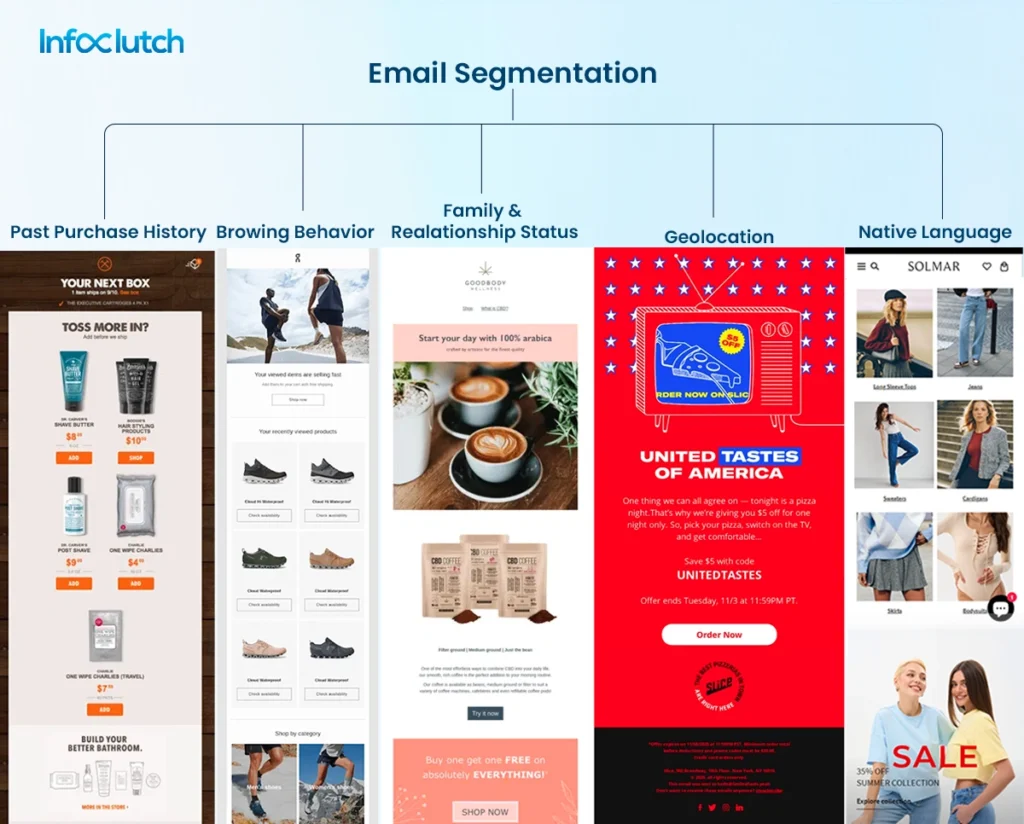
Most email lists will have subscribers belonging to different categories. You may have to segregate them according to the campaigns that you run. Therefore, always ensure that you segment your email list after you clean it.
You can segment your subscribers based on the following:
- Demographics
- Purchase History
- Groups are responding positively to all campaigns, including those who don’t.
These segregations will make it easier for you to increase customer engagement and increase the chance of click-through rates.
Criteria for Email Segmentation
Most businesses fail as they are under the impression that all email subscribers require the same content, irrespective of their demographics. Suppose you are sending out newsletters or images containing only general information about your company. In that case, you cannot expect engagement to increase or your customers to be interested in opening your emails and reading.
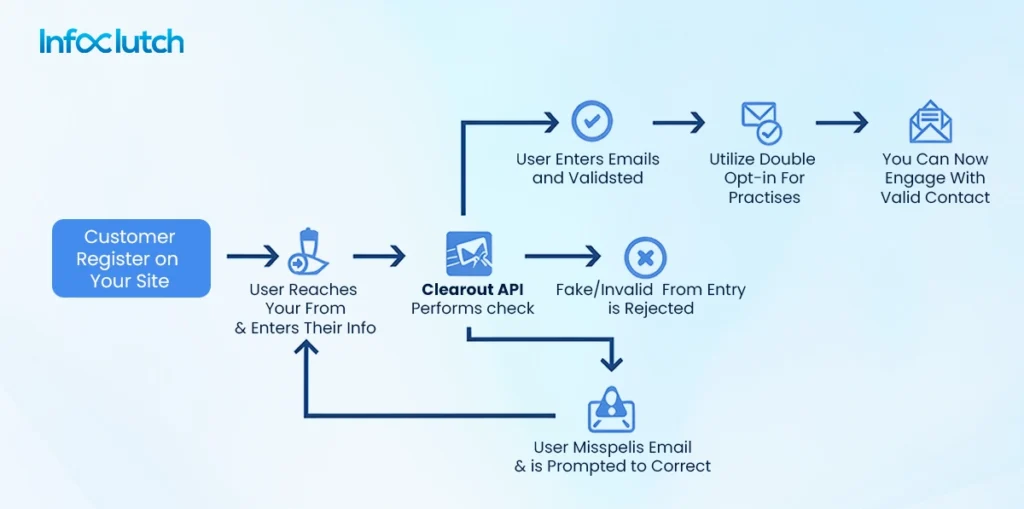
That’s why we urge you to employ proper email verification APIs. Remember, the goal of segmentation is to deliver the right message to the right people at the right time.
Here is a diagram to help you understand email segmentation better:
Provide Easy Email Unsubscribe Options.
a) Legal Requirements for Unsubscribe Links
b) Implementing Opt-Down Options
Benefits of a Smooth Email Unsubscribe Process
Here are a few benefits of a smooth email unsubscribe process:
- It helps you avoid fines and other legal complications by mandating legal compliance. It also helps improve your sender reputation with top email service providers like Gmail and Yahoo.
- Providing options to unsubscribe, opt-in, and opt-out helps build trust with your subscribers. With all these straightforward options, your customers will not mark your emails as spam.
- It helps improve list quality by weeding out uninterested subscribers.
- You can also collect feedback from customers to refine your email marketing strategy.
- Prioritizing an easy unsubscribe process ultimately fosters better relationships with your audience.
Address Role-Based Email Accounts
Role-based accounts refer to email accounts that are associated with a specific function or group within a company. Role-based accounts do not belong to any people. Role-based accounts are often created to address queries/grievances pertaining to a particular job function. Examples of role-based email addresses include addresses like [email protected], [email protected], [email protected], etc.
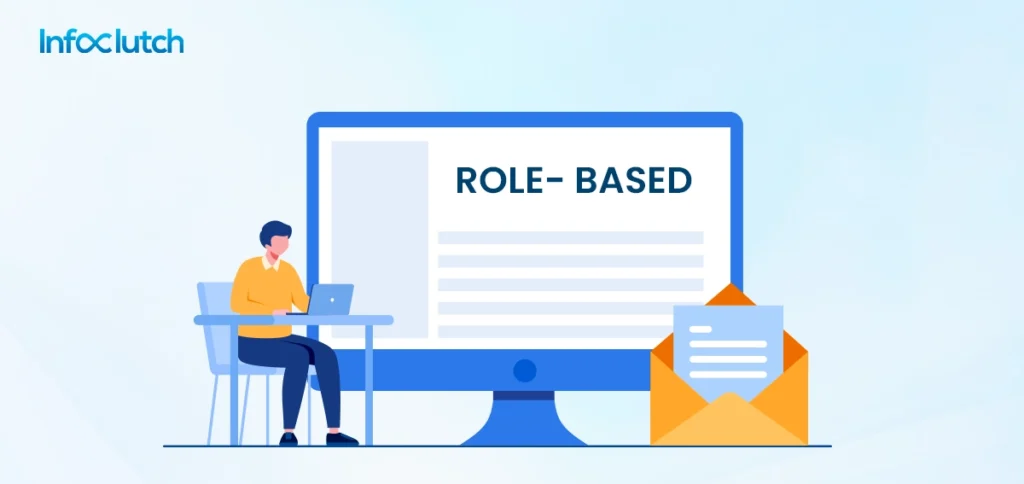
Importance of Role-based Accounts
- Role-based email accounts help recipients connect with the right person at the right time so that their queries/concerns get redressed immediately.
- These email accounts help you delegate tasks quickly. The emails being sent to the concerned department reduce the monotony.
- It increases your brand image when you use role-based emails. Customers looking for a resolution can get it addressed once they see that there is a dedicated team that effortlessly manages all the grievances/complaints/queries/suggestions of subscribers.
- This helps build long-standing relationships, thereby inducing customers to trust your brand and offerings.
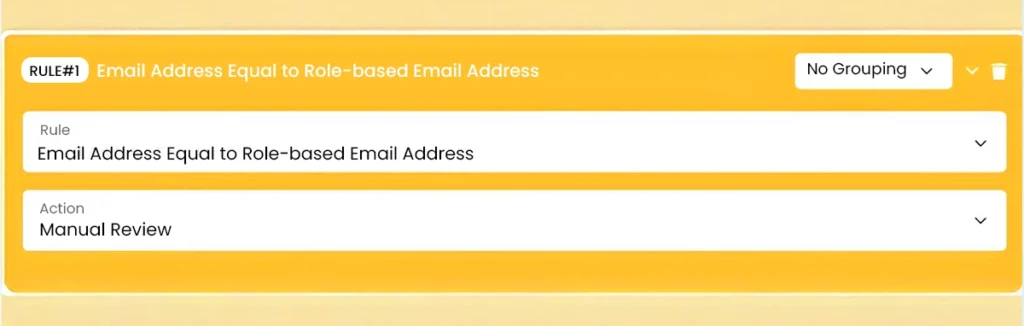
How to activate role based email account checking?
Most businesses use a separate business email hosting service as their domain for handling all business-related emails and also create a few alias accounts as well from the same domain. For instance, your company has the following departments, and rather than addressing one single person, you can address the entire team. Some common role-based emails within a company are:
- Accounting team: accounting@; finance@;
- Sales team: sales@;
- Marketing team: marketing@;
- Legal team: legal@
- Housekeeping team: support staff@
- and more
Monitor your email metrics
Why should you monitor email metrics?
Setting Benchmarks for Your Email Program
You will have to set certain parameters to assess your benchmarks as they help you to identify your areas of improvement. Begin by establishing a baseline with which to compare your email campaigns. Set goals that are easily achievable as they help improve your performance gradually.
To set effective benchmarks, segment your email list and analyze performance across different subscriber groups. Monitor the benchmarks based on the type of audience, demographics, and purchase history. You can also track any spikes that have occurred while assessing the performance of the benchmarks set. By consistently monitoring your metrics against established benchmarks, you can quickly identify underperforming campaigns, test new strategies, and optimize your email program for maximum engagement and effectiveness.
Key Takeaways
We have reached the end of the blog. Let us do a brief recap of what we have covered so far.
Maintaining a clean email list is an essential aspect for any business to succeed. Optimizing your email list for deliverability using some of the best practices mentioned above is a key way to increase your click-through rates, engagement, and conversions.
Remember, the quality of your email list is more important than its size. A smaller, engaged list will yield better results than a large, unresponsive one. Regularly cleaning your email list helps improve deliverability, maintain a good sender reputation, and ensures that your emails reach an audience that genuinely wants to engage with your content.
Frequently Asked Questions
1. How do you keep a healthy email list hygiene?
2. How do email bounce rates impact the sender’s reputation?
3. Why should businesses use an email verification tool?
4. What is email list segmentation?
5. What are role-based email addresses?
Conclusion
Email list hygiene is not just a best practice—it’s a necessity for any successful email marketing strategy. Regularly assessing these factors will help you identify which lists need cleaning, allowing you to maintain a healthy, engaged subscriber base.
Remember that list cleaning should be an ongoing process, ideally performed at least once a year, but more frequently for larger or rapidly growing lists. It ensures your messages reach the right people, enhances your reputation as a sender, and ultimately drives better results for your business.